
Why Indoor Air Quality Matters in Winter & How to Improve It

.jpg)






When winter arrives, most homes and businesses spend more time sealed up tight to keep the cold air out and the warmth in. While this helps with comfort and energy efficiency, it can also create an often-overlooked problem: poor indoor air quality. During the winter months, indoor air quality plays a major role in comfort, health, and system performance, making it just as important as temperature control.
Why Indoor Air Quality Declines in Winter
Cold weather forces homes and buildings to rely heavily on heating systems while keeping windows and doors closed for long periods. This limited ventilation allows airborne contaminants to build up indoors. Common winter indoor air quality issues include dust, pet dander, mold spores, bacteria, and other allergens circulating through the air.
Heating systems can also contribute to dry indoor air, which may cause irritated sinuses, dry skin, scratchy throats, and static electricity. For homes and businesses alike, poor indoor air quality can lead to discomfort, increased allergy symptoms, and reduced productivity during the winter season.
The Impact of Poor Indoor Air Quality
Indoor air quality affects more than just how the air feels. Polluted or overly dry air can aggravate asthma, allergies, and respiratory conditions. It can also make indoor spaces feel stuffy or unevenly heated, even when the thermostat is set correctly.
From a system standpoint, poor air quality can strain HVAC equipment. Dirty filters and clogged airflow paths force heating systems to work harder, which may increase energy costs and lead to more frequent repairs. Improving indoor air quality not only supports better health but also helps heating systems operate more efficiently.
How to Improve Indoor Air Quality in Winter
Fortunately, there are several effective ways to improve indoor air quality during the colder months.
Change Air Filters Regularly
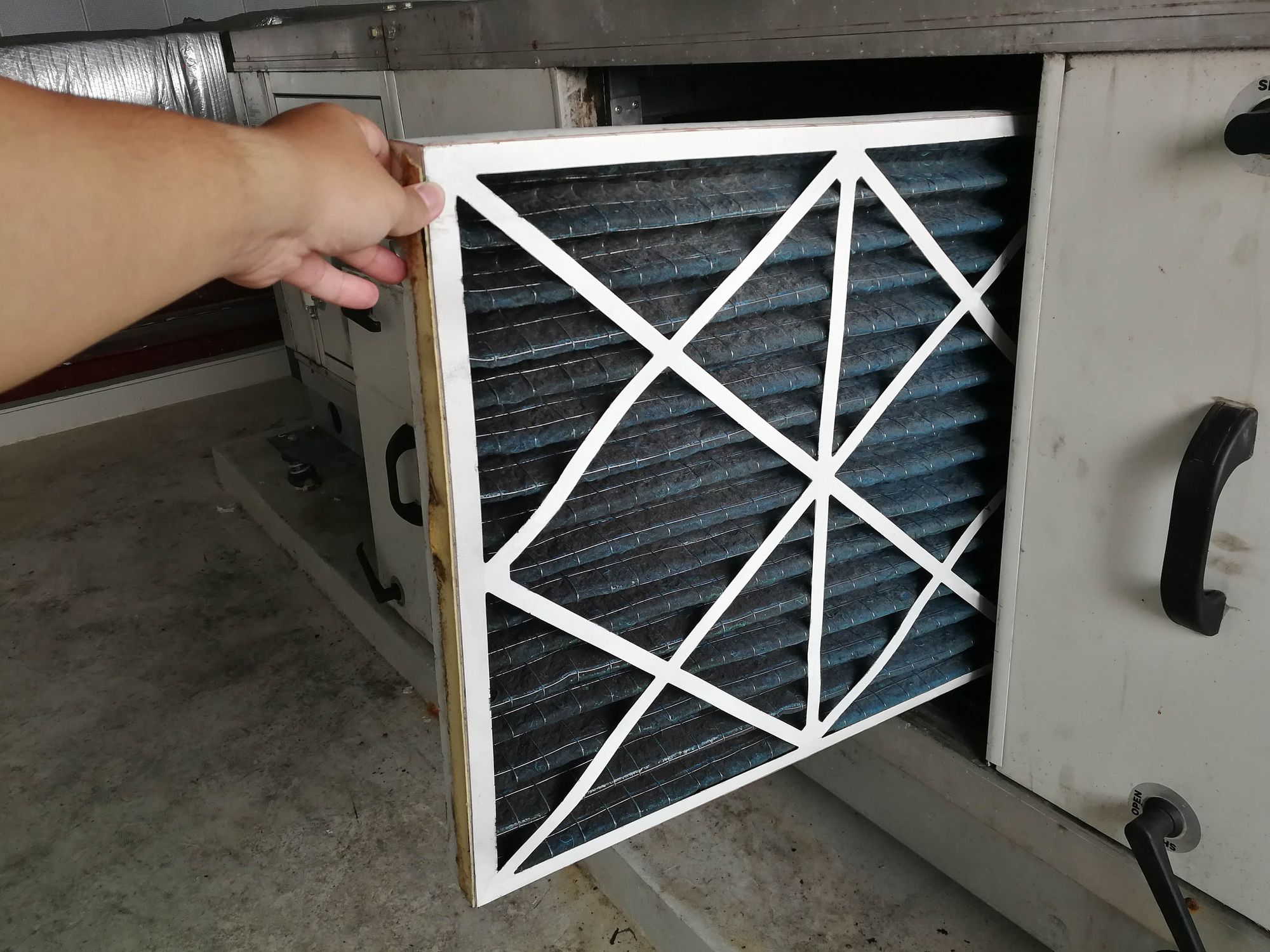
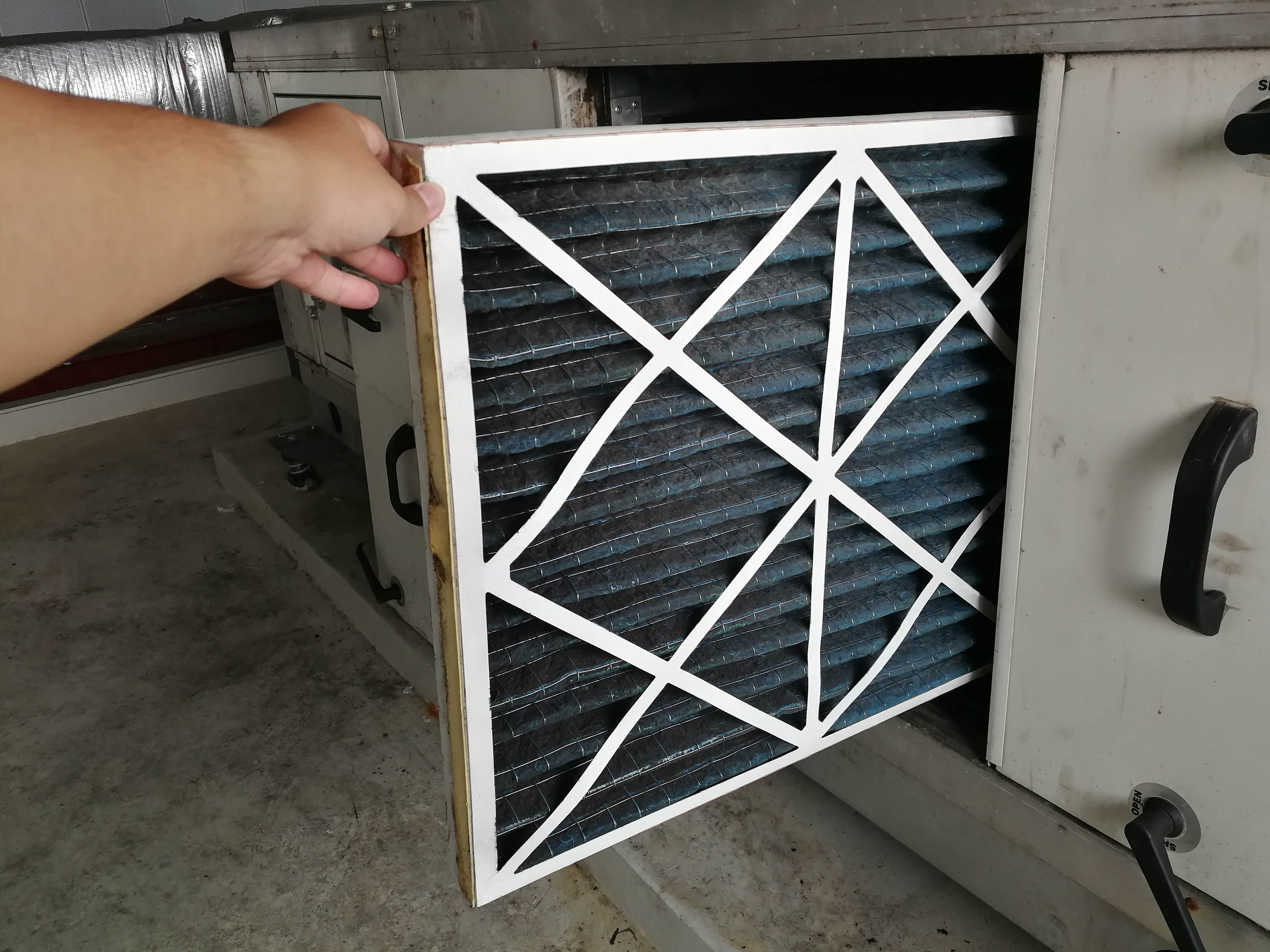
Clean air filters are one of the simplest and most important steps. Replacing filters regularly helps capture dust, allergens, and airborne particles before they circulate through your space.
Maintain Proper Humidity Levels
Dry winter air can cause discomfort and damage wood furnishings. Whole-home humidifiers help maintain balanced humidity levels, improving comfort and reducing dryness throughout the home or building.
Improve Air Filtration
Upgrading to high-efficiency air filters or air purification systems can significantly reduce airborne contaminants. These systems are especially helpful for households with pets, allergies, or respiratory concerns.
Schedule HVAC Maintenance
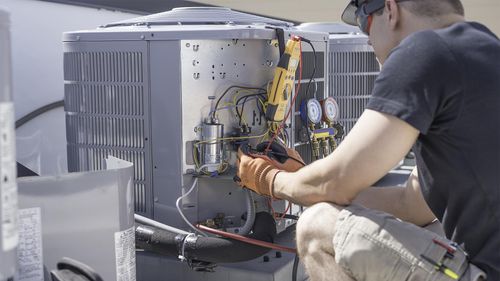
Routine HVAC maintenance ensures your heating system is clean, properly adjusted, and moving air efficiently. Professional inspections help identify issues that could affect both indoor air quality and system performance.
Consider Indoor Air Quality Solutions
Additional options such as UV air purifiers, air cleaners, and duct cleaning can further enhance indoor air quality by targeting bacteria, mold, and buildup within the system.
Breathe Easier This Winter With Help From Higdon Service
Indoor air quality matters year-round, but it becomes especially important during winter when homes and businesses are sealed up and heating systems run constantly. By taking proactive steps to improve indoor air quality, you can enjoy cleaner air, greater comfort, and a healthier indoor environment all season long.
Higdon Service helps homeowners and businesses throughout the Tennessee Valley improve indoor air quality with reliable solutions and expert service. Contact our team today to learn more about indoor air quality improvements that can make a difference this winter and beyond.
Trusted by some of the biggest names in the business!


